I am a biomechanist.
I help teams understand how bodies move, where motion breaks down, and what to change before the design is locked.
ROBOTICS & PHYSICAL AI | FUNCTIONAL PRODUCTS
PhD
In biomechanics. Now based in Tokyo.
5y
Developing motion-analysis tools in a research lab.
15y
In deep tech, building and commercialising complex technical systems.
30y
Studying motion firsthand: training, running, biohacking, continuously testing how bodies adapt to load.
01 THE PREMISE
Elegant motion is measurable.
Elegant does not just mean beautiful. It means efficient, adaptive and durable.
A humanoid robot. A running shoe. A wearable. A racing dog. Same questions: how does the body interact with its environment, and what happens over time?
Most teams measure performance. I also look at what the motion costs.
THAT IS WHAT I MAKE VISIBLE.
02 DOMAINS
Same body questions, different industries.
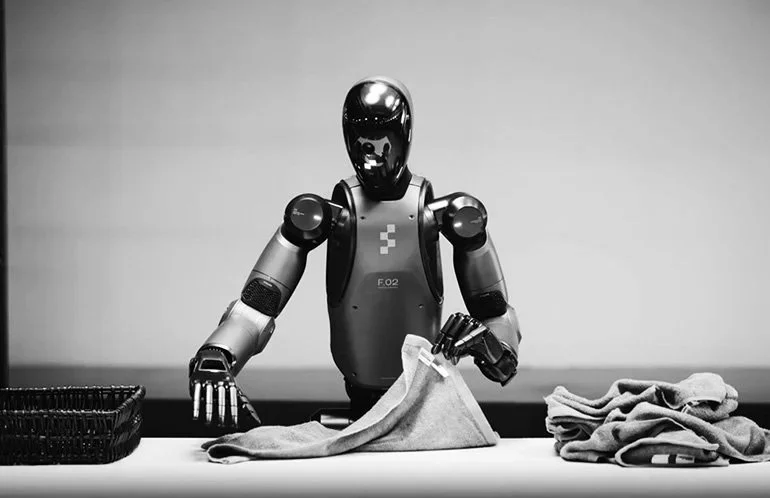
01
Robotics and Physical AI
What can this body actually execute?
Gait, contact, compliance, recovery and actuator-body interactions. Biomechanics applied to robots, without assuming biomimicry is always the answer.
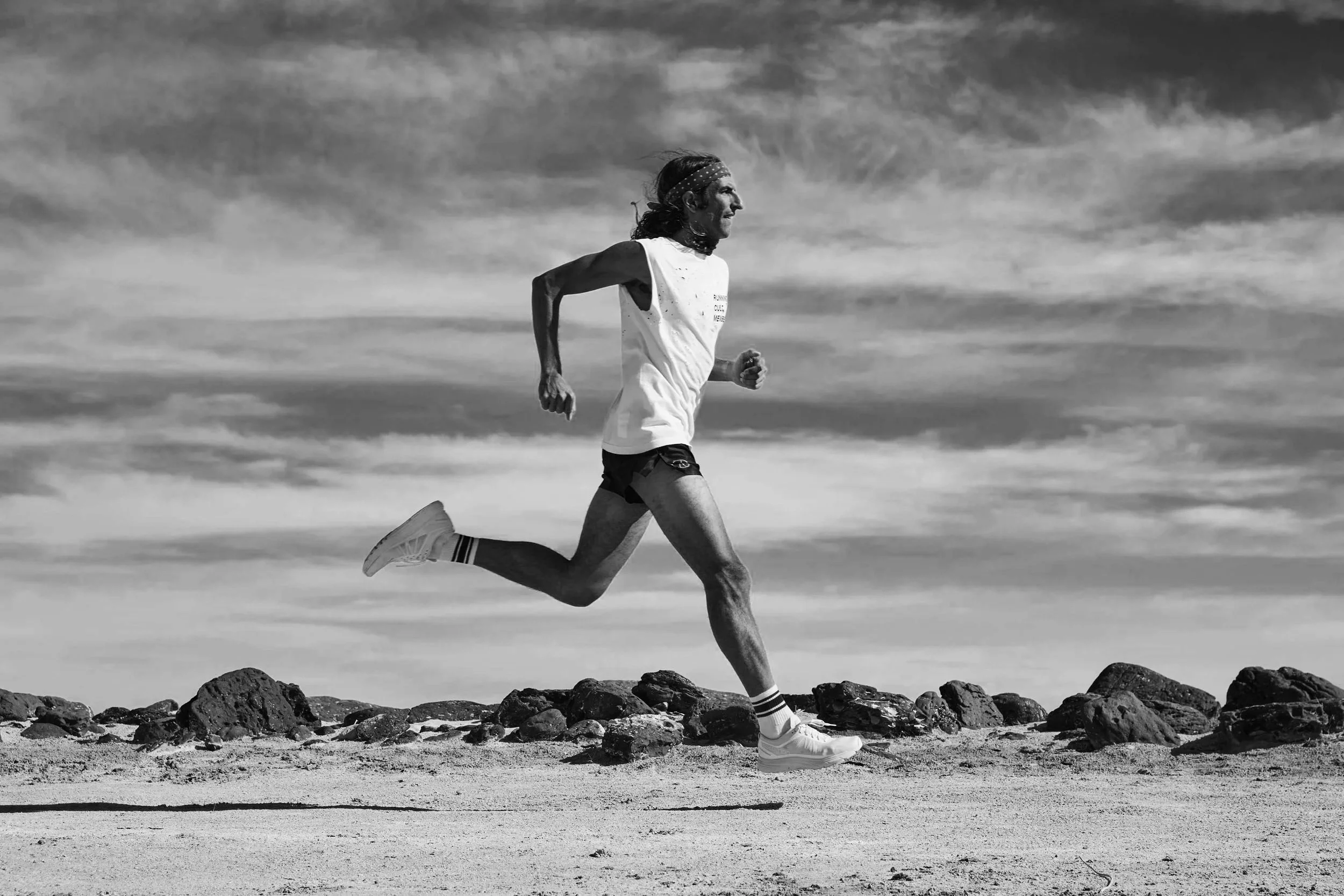
02
Functional products
Does the product work with the body or against it?
Footwear, apparel and wearables. I review the assumptions made about motion, where they break in real use, and what should be tested before committing to tooling.
Photo credits: Figure AI and Satisfy Running
03 HOW I WORK
Four rules I don't bend.
Rule 01
Observe before measuring
Some teams over-instrument and under-observe.
Rule 02
Measure the cost, not only the output
Speed and force are easy to optimise in isolation. They can be expensive to optimise wrongly.
Rule 03
Test real conditions
Under load. Fatigued. On a bad surface. After repair. Lab performance is a hypothesis.
Rule 04
End with a decision
What should change? What should be tested next? What should be left alone?
04 THE ENGAGEMENT
Motion Review.
ONE PRODUCT · ONE PROTOTYPE · ONE MOTION PROBLEM
I review the motion, the body, how they interact with the environment, and the assumptions behind the design.
Starting from
€5,000
FOR TWO CALLS. ONE REPORT.
A first free 20-minute call: we use it to understand the motion problem and decide whether a Motion Review makes sense.
DEPENDING ON THE PROBLEM, IT CAN INCLUDE
01 Video, gait or movement analysis
02 Mechanics and load review
03 Body-product interaction
04 Failure and compensation patterns
05 Existing test / data review
06 Recommendations for the next experiment or design iteration
05 WHY
Why elegant motion matters to me.
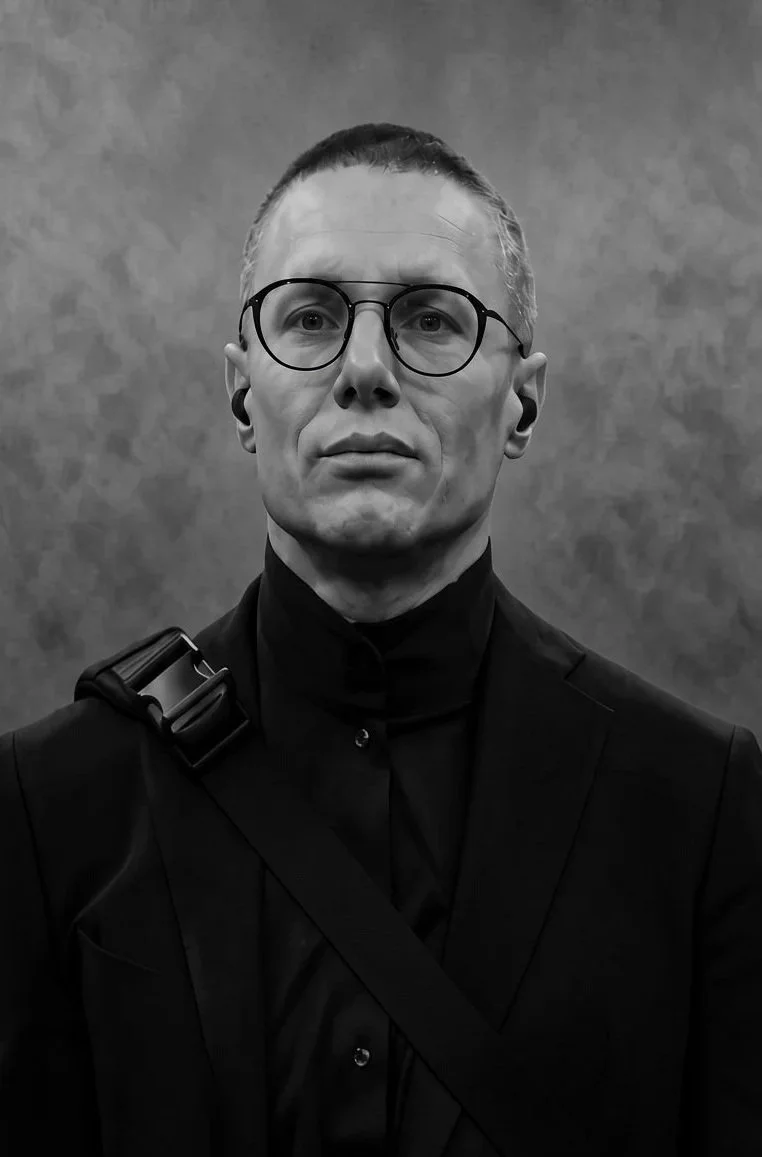
Early in life, I learned the cost of broken bodies. It left me with one question:
How can we augment and protect a body?
THE SAME QUESTION, FROM EVERY ANGLE, AS A LIFELONG NORTH STAR.
JEAN-CHARLES CABELGUEN
ACADEMIC PhD in biomechanics
RESEARCH Five years developing motion-analysis tools in a government research lab
INDUSTRY 15 years in deep tech, building and commercialising complex technical systems
FIRSTHAND 30 years studying motion, training, running, biohacking, testing how bodies adapt to load
THE OTHER HALF OF MY ADVISORY WORK
Fifteen years inside deep tech.
Quantum computing, decentralised cloud, hardware encryption, AI and now Physical AI. Industrial partnerships, capital raised, acquisitions, and emerging technologies represented internationally. If your problem is industry adoption rather than motion, that work lives on the other page.
MY MAIN VENTURE
Kyostra, the body layer of Physical AI. Learn more